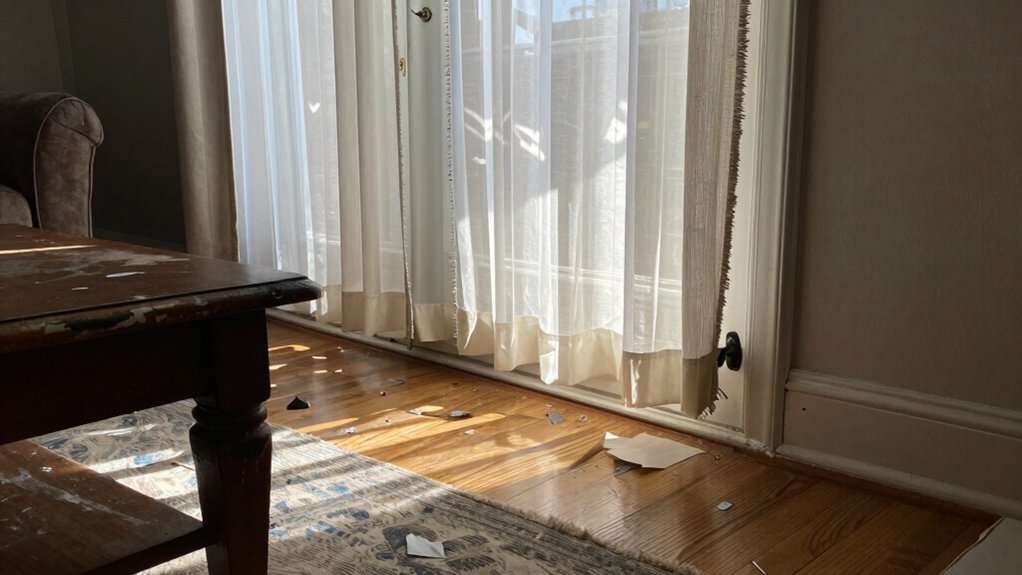

Rental decorating mistakes can shrink your security deposit fast! Before hanging a giant mirror, TV, or shelves, check your lease and get written approval. Use landlord-approved hooks, test adhesive in a hidden spot, and follow removal directions. Don’t paint, drill window trim, nail fixtures, or use sticky rug tape without permission. Protect floors with felt pads, measure bulky furniture, and don’t block natural light or damage builder features. Keep photos and plans handy—more deposit-saving tips are coming up!
Key Takeaways
- Mounting TVs, mirrors, or heavy décor without written landlord approval can create unauthorized holes and repair charges.
- Adhesive strips, tape, and glue may peel paint, damage wallpaper, or leave residue requiring professional removal.
- Painting or patching walls without permission can violate the lease and trigger repainting or repair deductions.
- Nailing, drilling, or attaching window coverings to trim, frames, or blinds can cause costly permanent damage.
- Dragging furniture, using sticky rug products, or altering builder features can scratch floors and increase restoration costs.
Hanging Heavy Decor Without Approval
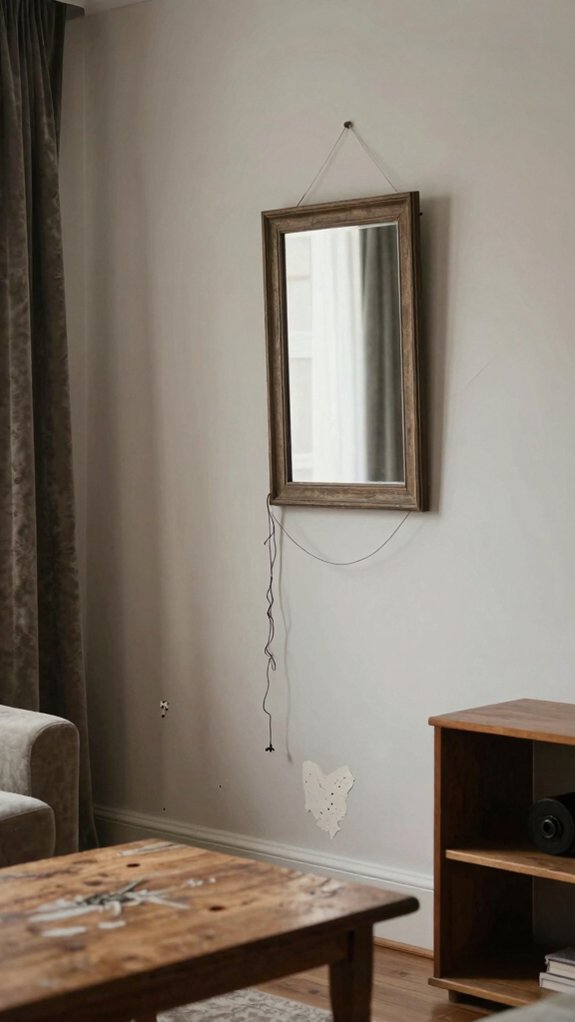
Before you hang that giant mirror or wall-mounted TV, check your lease and get your landlord’s written approval—seriously, that quick message could save your security deposit!
Start with documenting move in: snap clear photos and videos of every wall and floor, then add written notes.
Next, ask exactly what’s allowed, including hooks, drilling, approved anchors, and anchor load limits.
Keep the landlord written approved mounting plan with your lease—paperwork beats guesswork!
Use the listed materials and follow the approved steps carefully.
Heavy décor can leave holes, dents, or cracks beyond normal wear.
Here’s the surprising part: even perfect anchors won’t protect your deposit from impact damage!
Choosing the Wrong Adhesive Products
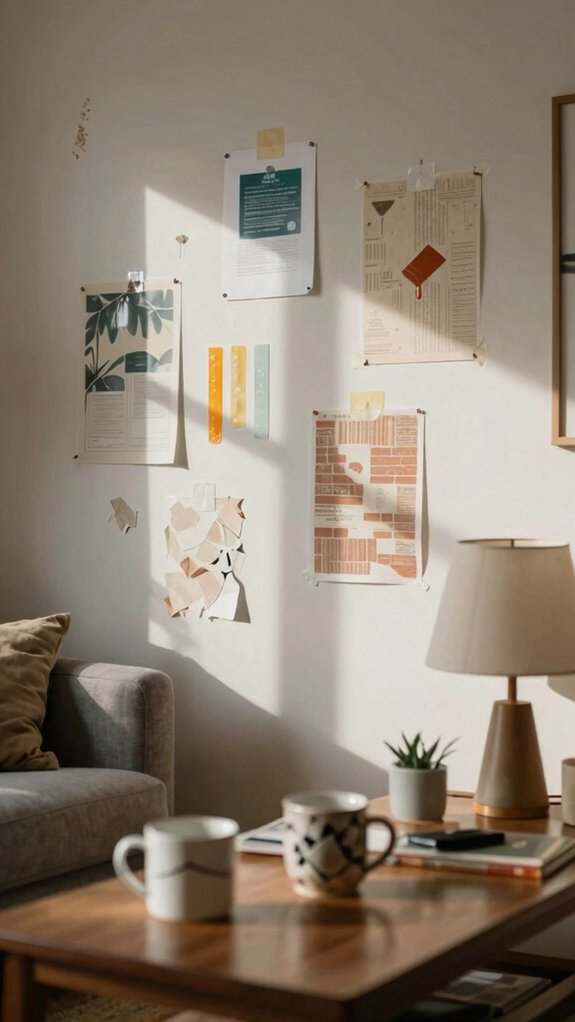
That “no-damage” adhesive strip might look like a renter’s best friend, but it can become a tiny paint-pulling villain!
Heavy-duty tape, poster strips, and glue may leave scuffs, torn wallpaper, or gummy residue that costs you at move-out.
Choose approved, removable hooks, then practice removable testing in a hidden spot.
Press gently, follow removal directions, and never reach for super glue, epoxy, or construction adhesive—those cured blobs can demand sanding and repainting!
Before decorating, take photos and note the product and date.
Keep this residue documentation, including removal photos, with your lease records.
Even adhesive-remover liquids can harm finishes, so proceed carefully!
Painting Without Permission
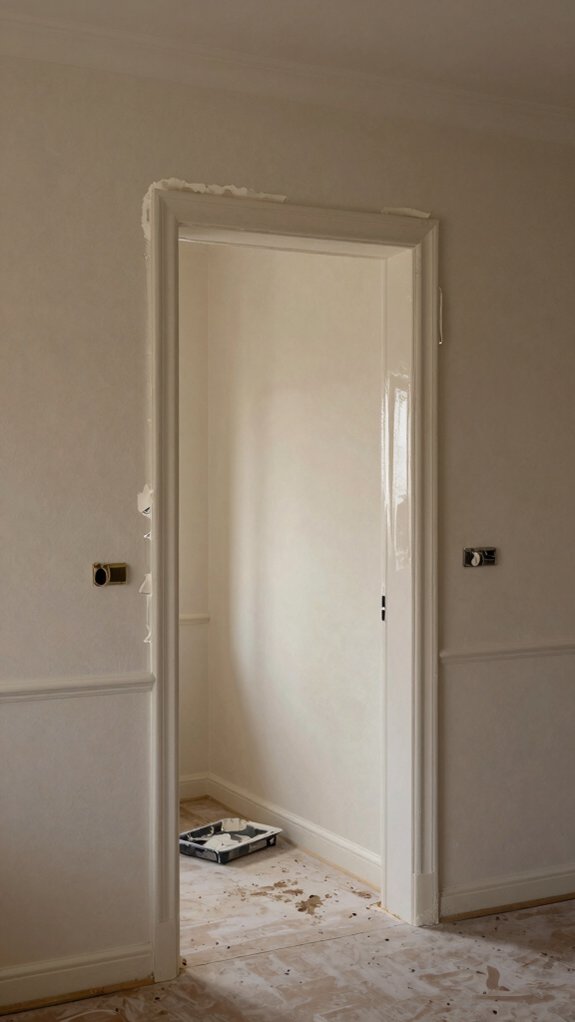
Painting can make a rental feel wonderfully yours, but grabbing a roller without written permission could put your security deposit in the danger zone!
Check your lease and request approval before changing the Wall Color. Otherwise, you may face Lease Violations and pay for labor and paint to restore the original shade.
| Risk | What to do | Possible cost |
|---|---|---|
| New color | Get written approval | Repainting |
| Prohibited paint | Follow the lease | Deposit deduction |
| Patched holes | Repair carefully | Extra labor |
| Adhesive damage | Remove gently | Wall repairs |
Even “just decor” can cost you at move-out. Nevada typically allows deductions for damage beyond normal wear, so save approval records and repaint before leaving!
Covering Windows Incorrectly
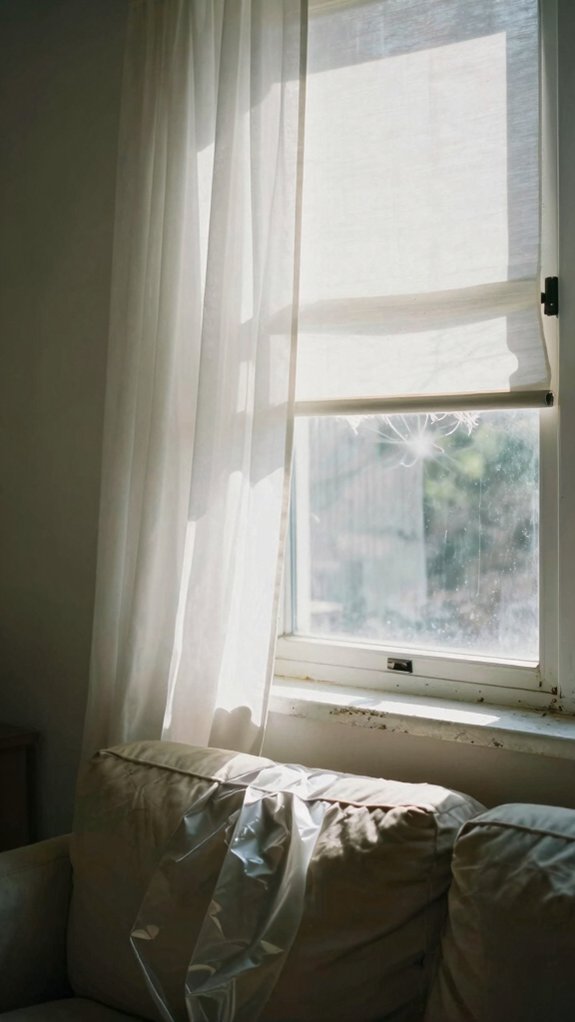
Windows may seem like an easy place to add privacy or block harsh sunlight, but coverings can cause surprising damage if they’re attached the wrong way!
Temporary coverings sound harmless, but foil, thick plastic, and sticky tape may leave adhesive residue, pull paint, or scuff blinds and frames. Before choosing one, test a small spot and confirm it removes cleanly.
Never nail, drill, or staple into trim—tiny holes can become expensive surprises!
At move-out, remove everything and restore the window area to its original condition.
Any damage beyond normal wear and tear could reduce your deposit.
Here’s your best shield: keep photo documentation from move-in and move-out, so your record speaks convincingly!
Installing Permanent Fixtures
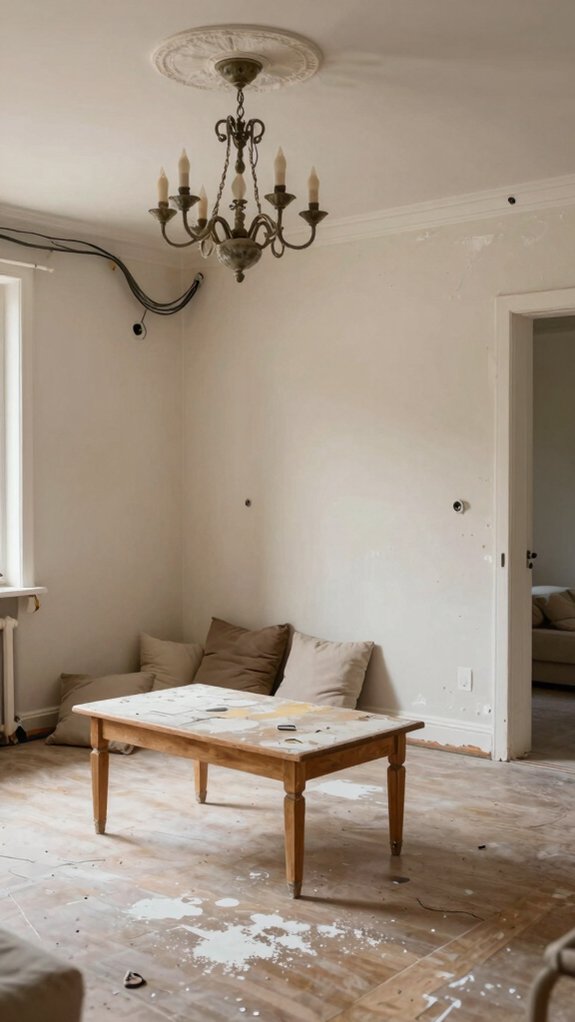
Permanent fixtures can look like a brilliant upgrade, but built-in shelves, hardwired lights, and drilled-in wall fixtures may turn your security deposit into an expensive surprise!
Before you join the “fancy rental” club, seek Leaseability verification in writing. In Nevada, you’re responsible for damage beyond normal wear, including holes, drywall, or altered wiring.
- Review your lease.
- Save move in photos.
- Complete damage documentation.
- Create a restoration plan.
Ask who’ll install and remove each fixture, then keep receipts and invoices. Even a small project can cost more than your deposit if restoration goes badly.
Your best design move? Choose removable décor instead—your future self will cheer!
Forgetting to Protect Original Flooring
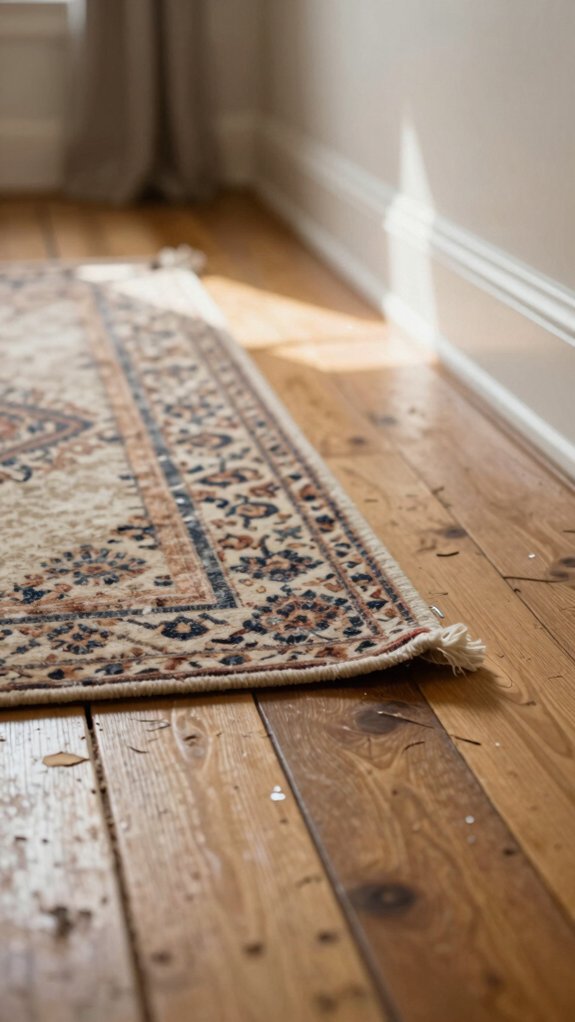
Your rental’s original flooring can take a beating before you even notice it! A sofa leg may leave scratches, gouges, or scuffs that go beyond normal wear and tear, putting your deposit at risk.
Before decorating, gather felt pads, floor protectors, or furniture sliders. Use protective pads beneath every leg, then Move with sliders when rearranging heavy pieces. Never drag beds, dressers, or couches across hardwood or laminate—your floor isn’t a skating rink!
Skip sticky rug tape, glue-backed hardware, and liners that leave residue.
Finally, take time-stamped move-in photos. That quick record could help settle disputes and protect your place—and your money!
Buying Oversized Furniture
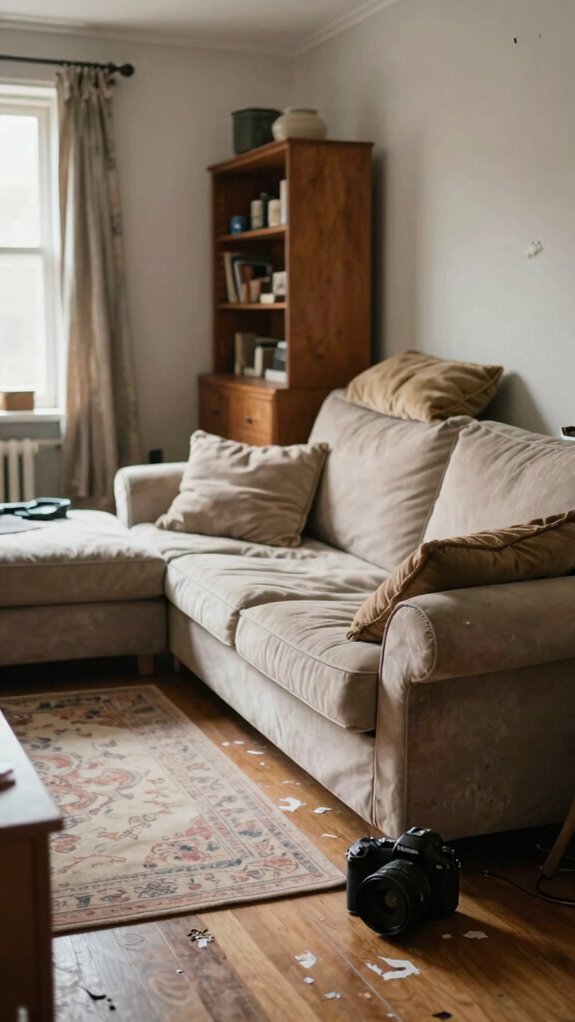
Buying oversized furniture might make your rental feel cozy and stylish, but that giant sectional could become a deposit-eating monster! Before joining the big-sofa club, Plan Room Layout and measure doors, halls, and floors.
- Choose Temporary Furniture that’s lighter and easier to reposition.
- Add felt pads or mats to Prevent Heavy Scuffing and dents.
- Protect Doorways Carefully with blankets during delivery and moving.
- Use Proper Moving Help at move-out, so baseboards, trim, and flooring stay safe.
These simple steps help you Avoid Permanent Damage and keep your home welcoming. That extra planning could save your deposit—and your back!
Ignoring Storage from the Start
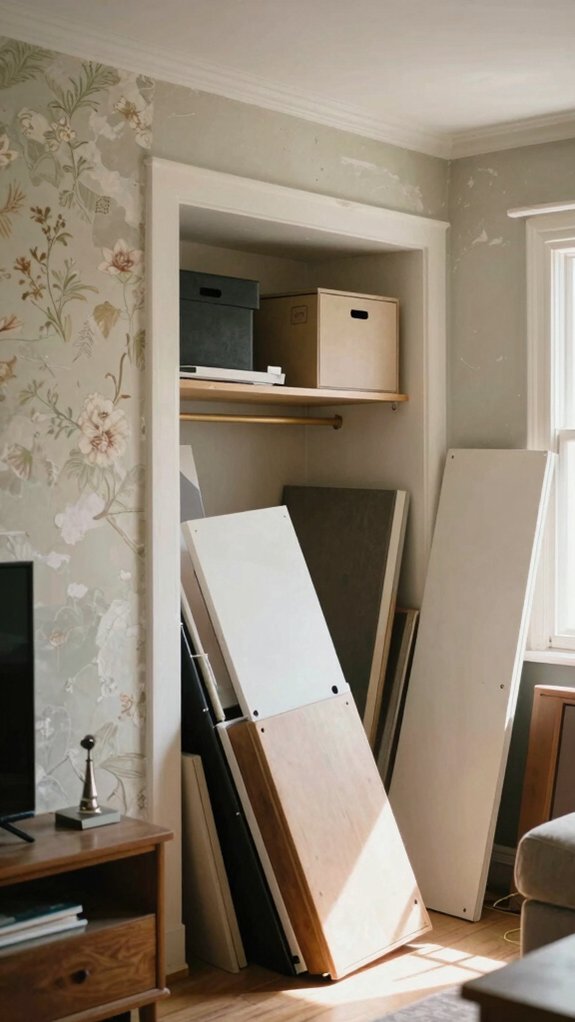
Ignoring storage from the start can turn a tidy rental into a clutter maze—and suddenly, tape, nails, and sticky hooks seem like quick fixes!
Declutter early, then choose bins, baskets, and freestanding shelves that won’t mark walls or paint.
As you unpack, label bins for bedding, seasonal decorations, and boxed décor.
You’ll find things faster and won’t drag heavy furniture across floors, risking gouges or tears.
Add mats to protect surfaces, especially beneath storage.
Set up once, so you’re not constantly rearranging your home.
Before moving out, plan walkthrough: remove bins carefully, check hidden spots, and repair only approved issues.
Your deposit—and your community-ready space—will thank you!
Blocking Natural Light
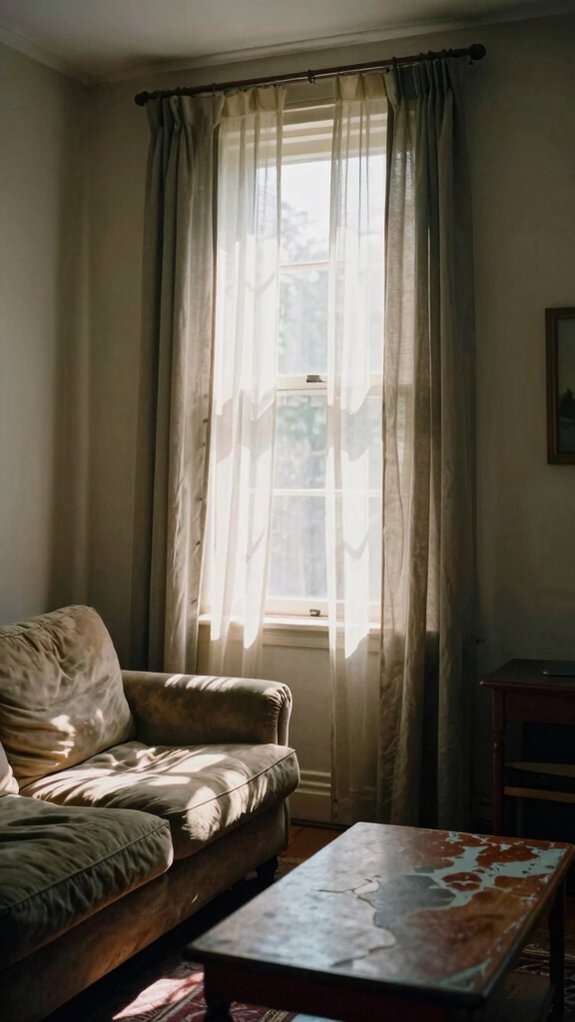
Blocking natural light can make a rental feel gloomy fast, especially when bulky curtains, oversized blinds, or window film crowd the glass. Keep your space bright and your deposit safe with simple choices!
- Choose slim curtains that don’t scrape frames.
- Skip glued or nailed films, which can pull trim or paint.
- Remove tape gently, so adhesive won’t leave damage.
- Keep furniture clear of sills, blinds, and vents to prevent Blocked airflow or Vent obstruction.
A mirror can brighten the room, but place it carefully to avoid gouged floors. Best tip: keep every window working freely, so move-out feels easy!
Leaving Builder Features Untouched
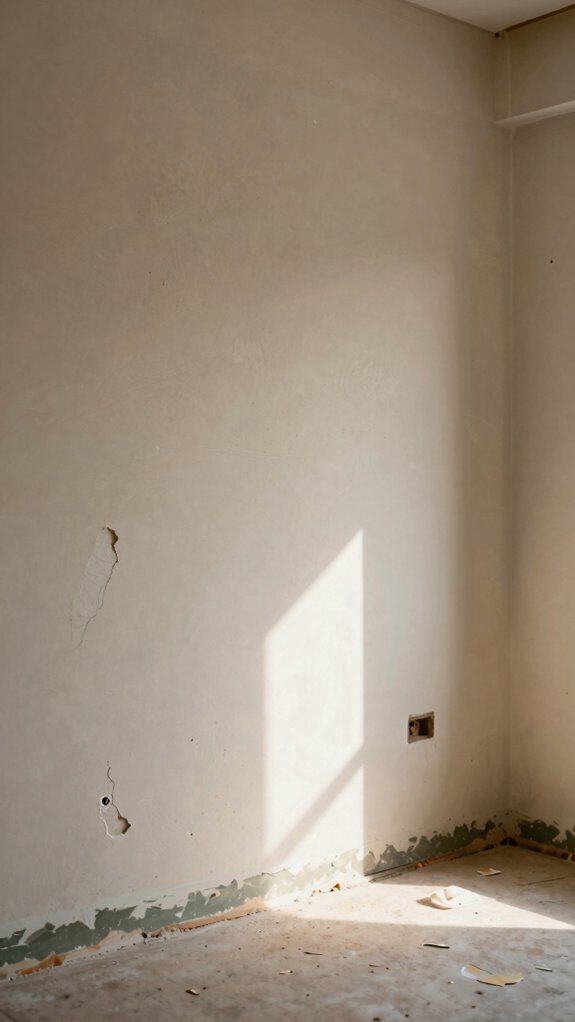
Builder features may look plain, but they’re part of your rental’s original setup, so changing them without permission can put your security deposit at risk! Keep pre-installed blinds, dated fixtures, hardware, and built-ins where they belong unless your lease says otherwise.
Before decorating, check the rules. Sticky hooks, nails, paint, or shelves can damage factory caulk, trim, tile, and outlet areas, leaving holes or peeled finishes. If you add anything, use approved materials and save the instructions—your future self will thank you!
During move out inspections, document condition with clear photos. Restore every feature carefully, because landlords may charge for repairs beyond normal wear. Small changes can become surprisingly expensive!