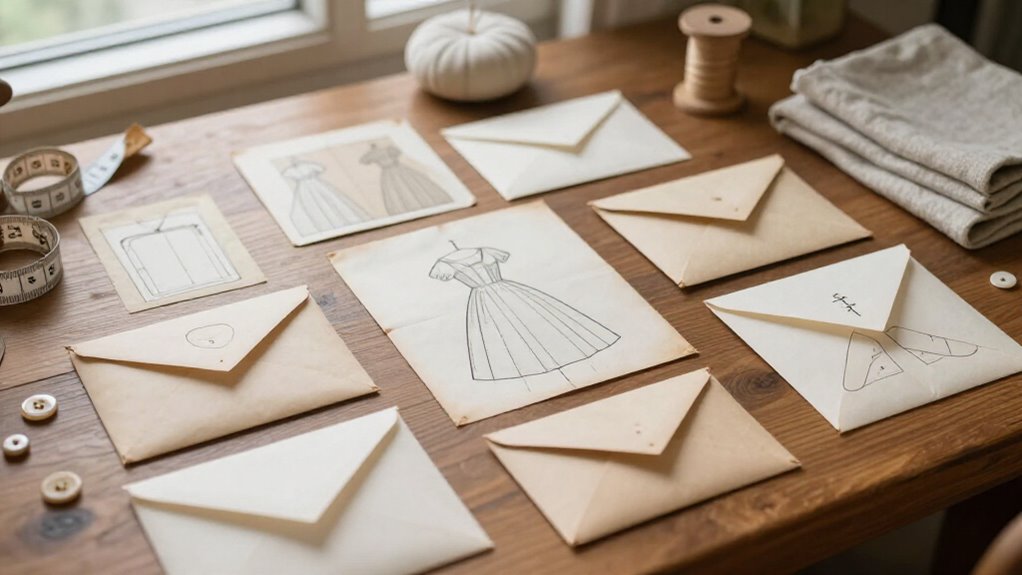

You’ll find 21 vintage sewing patterns, from swishy circle skirts and tea dresses to pinafores, smock tops, and crisp Peter Pan blouses. Start with cotton, linen, or a cheap muslin, match notches and grainlines, then test fit before cutting your good fabric—your wallet will thank you! Try a kitchen apron for easy practice, or sew high-waisted shorts for a polished finish. Keep going for the clever pattern that brings dramatic, twirl-worthy magic.
Key Takeaways
- Choose timeless silhouettes such as circle skirts, tea dresses, shirtwaist dresses, and tailored high-waisted shorts for versatile vintage style.
- Trust body measurements over vintage pattern envelope sizes, and sew a quick muslin before cutting final fabric.
- Follow grainlines, notches, darts, and pleat markings carefully to preserve the intended vintage fit and drape.
- Use fabric suited to the garment, including cotton sateen for full skirts, rayon for gathers, and linen for warm-weather tailoring.
- Add authentic details like Peter Pan collars, button fronts, defined waistbands, adjustable straps, and clean vintage-inspired finishes.
1950s Full Circle Skirt
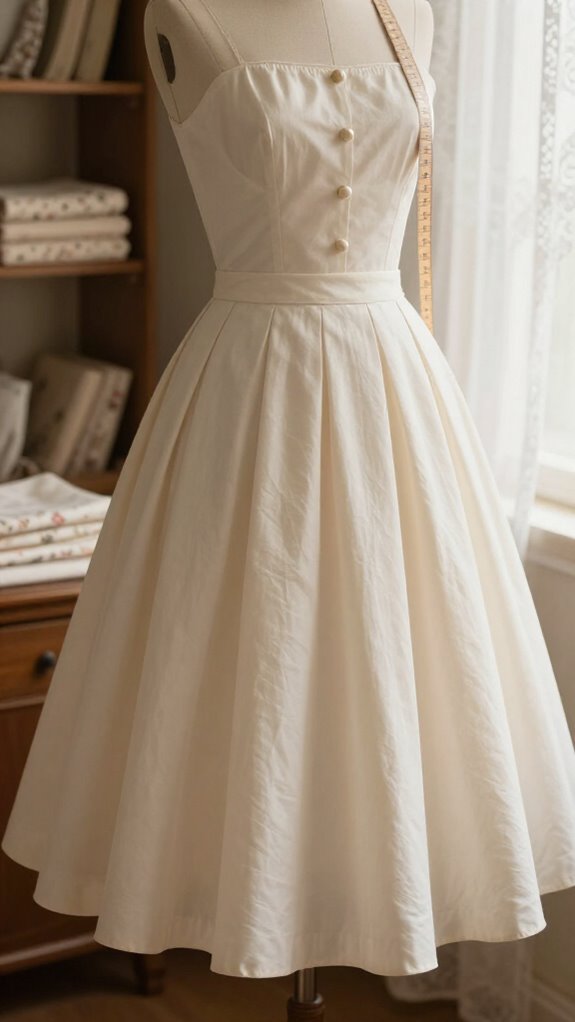
A 1950s full circle skirt brings instant spin strength to your wardrobe, and it’s easier to understand than it looks! You’ll join a cheerful sewing crowd with a circular cut that creates a wide, dramatic sweep.
Choose medium-weight cotton sateen, taffeta, or a wool blend; each gives your project form without a scary price tag. Follow grainline accuracy carefully, because even placement keeps the flare balanced all around.
Next, focus on waistband shaping with darts or a band, so fullness begins neatly at your waist. Use a tidy Hem finish for an even drop.
Want the magic trick? Add a petticoat lift underneath—then your skirt swings like it has its own applause!
Vintage Tea Dress
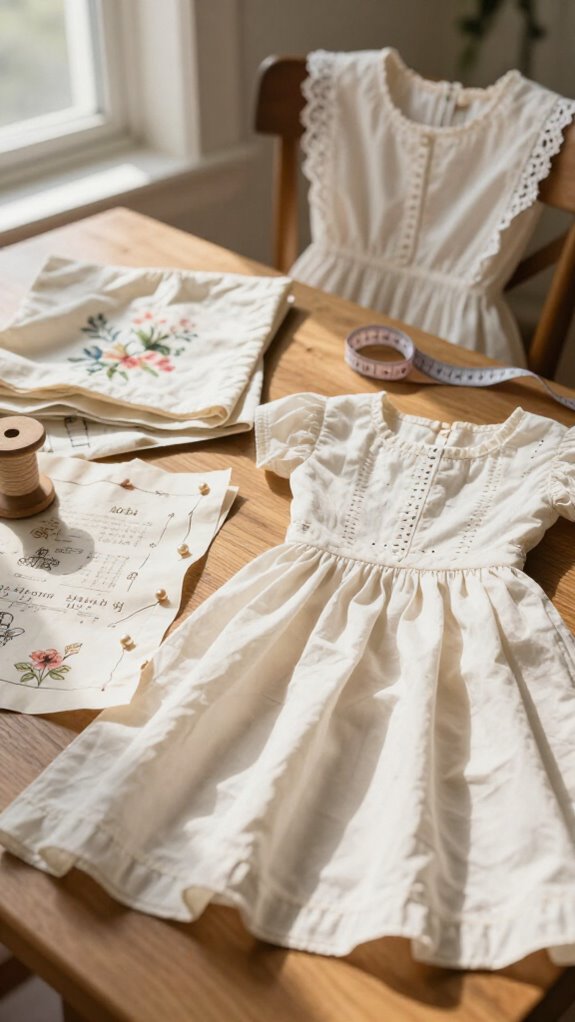
After all that swishing from a full circle skirt, a vintage tea dress gives you the same graceful charm in one easy, wear-anywhere piece! You’ll love its cinched waist, soft flare, and mid-calf comfort for afternoons with your style-loving crowd.
For How to choose vintage sizing, trust your measurements, not the envelope. Measuring for pattern accuracy means checking bust, waist, and hips, then sewing a quick muslin before using your good fabric.
Follow notches, darts, and grainlines closely—they’re your sewing-team signals! Try hand-finished seams or hooks for authentic detail.
A 1940s full-skirt version feels delightfully polished, while a 1960s shift-inspired tea dress offers relaxed, friendly ease.
High-Waisted Linen Shorts
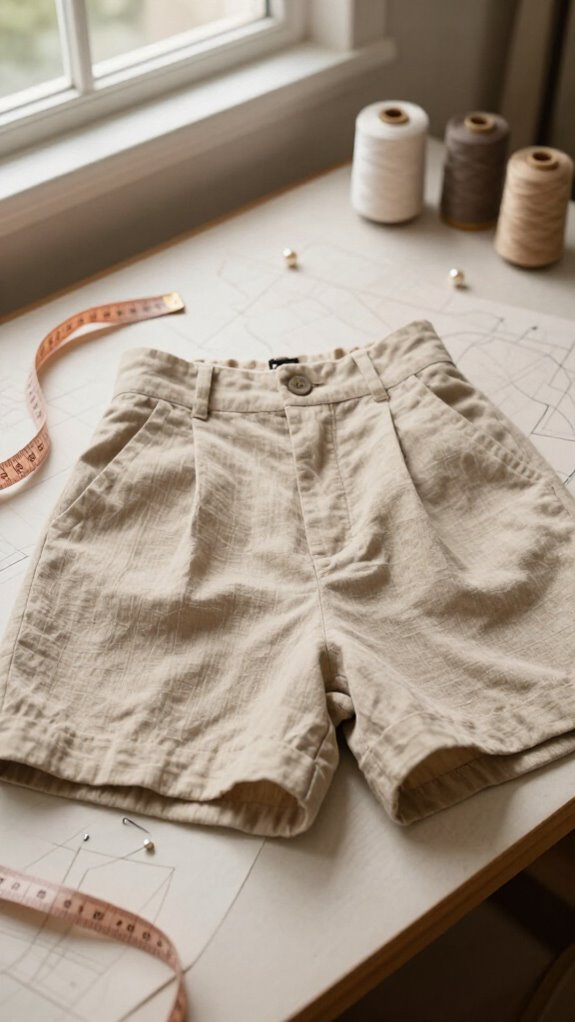
Nothing says sunny-day vintage style quite like high-waisted linen shorts! You’ll love how the raised waist defines your shape and gives your legs a longer look—instant sewing-circle confidence!
- Choose lightweight linen for breathability and comfort on warm afternoons.
- Follow grainlines and notches on pockets and waistbands for Vintage pattern fitting.
- Make a quick muslin using scrap fabric; it’s cheap, beginner-friendly, and saves waistband drama.
Add buttons, hooks, or a concealed placket for that tailored finish. The real magic? Once the waistband fits just right, your shorts hold their shape beautifully, and you’ll look like you belong at every picnic!
Classic Pinafore Dress
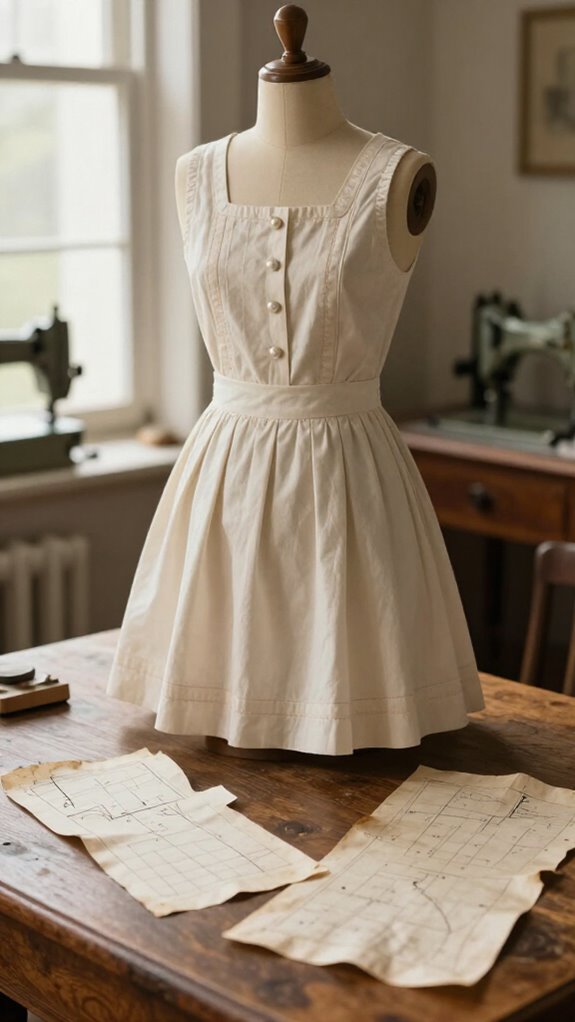
Classic pinafore dresses make vintage sewing feel wonderfully easy—you slip one over a crisp blouse or cozy tee, and suddenly your outfit has storybook charm!
Choose a pattern with a bib, adjustable straps, and clear notches, grainlines, and Pleat placement markings. You’ll need fabric, thread, buttons, and a little patience—nothing ornate!
Check vintage measurements carefully, since sizing can be sneaky. Sew a quick muslin first, then adjust the fit before using your favorite fabric.
Finish straps with a sturdy button closure, hook, or snap for everyday comfort. You’ll create a hardworking dress that feels right at home in your handmade wardrobe—and fellow sewists will definitely notice!
Peter Pan Collar Blouse
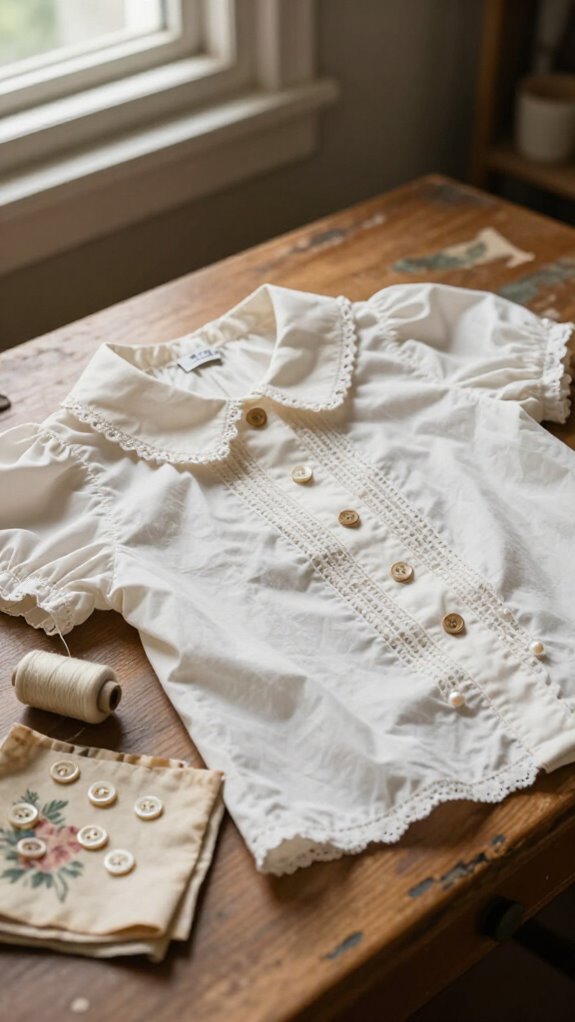
A Peter Pan collar blouse brings instant vintage charm to your sewing table, thanks to its flat, rounded neckline that sits neatly close to the neck—so sweet, yet not too fussy!
Your Vintage pattern selection matters, so check finished bust and waist measurements first. Sew a quick muslin; it’s cheaper than regretting your good fabric!
- Follow every notch and grainline for a collar that meets neatly.
- Use lightweight interfacing, facing fabric, pins, and matching thread.
- Try collar staystitching tips before attaching the facing—your neckline stays crisp!
You’ll feel right at home among fellow vintage makers, and the finished blouse pairs beautifully with skirts or high-waisted trousers.
Vintage Apron With Pockets
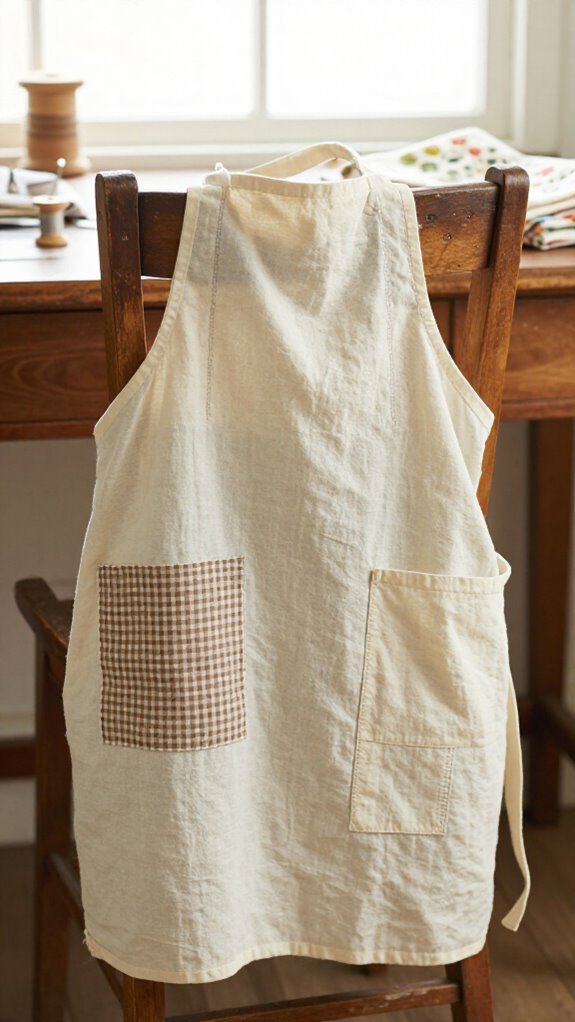
With roomy pockets at the ready, a vintage apron turns everyday cooking or sewing into a charming little ritual—you can tuck in scissors, clothespins, or a recipe card instead of hunting for them yet again!
| Detail | Picture it |
|---|---|
| Fabric | Cheerful gingham |
| Pockets | Smooth, square, useful |
| Finish | Neat hand-stitched edges |
Check grainlines and pocket notches before cutting. For Pattern Sizing, test waist ties and pocket width in a quick muslin; it’s cheap, easy, and saves sighs later! Choose cotton prints, follow Textile Care notes, then add ties for a welcoming, lived-in finish. You’ll look like part of a crafty, capable circle—because you are!
Button-Front House Dress
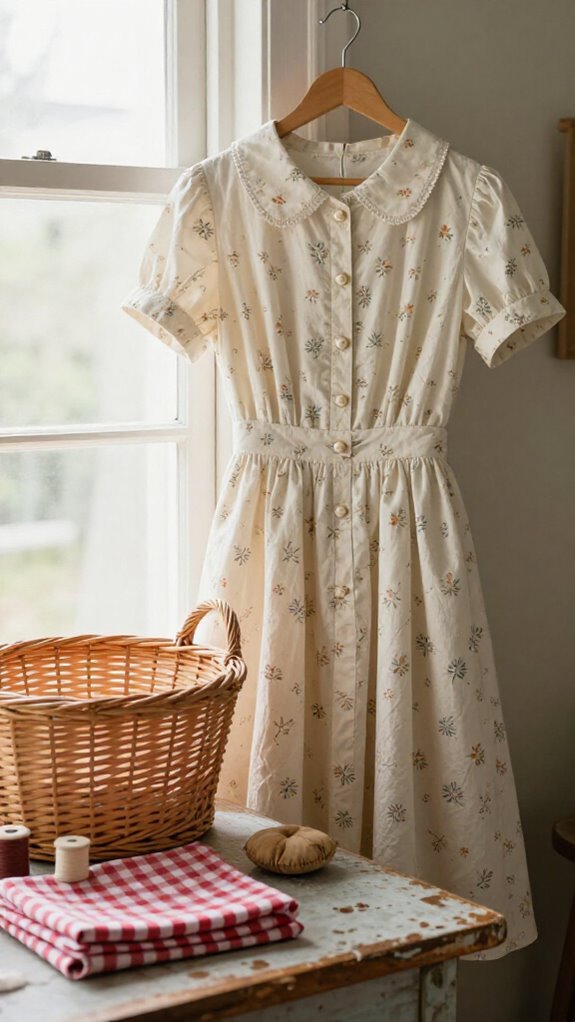
Button-front house dresses make getting dressed feel wonderfully easy: you slip one on, fasten a neat row of buttons, and suddenly even laundry day looks a little more put together!
You’ll love the practical polish of Button front closures, gentle neckline shaping, and an A line fit that moves with you. It’s an inviting project for your sewing circle!
- Check grainline and placket markings before cutting.
- Use cotton, buttons, and a quick muslin for easy testing.
- Copy patch pockets, collars, or cuffs from instructions.
These vintage pattern tips help buttonholes line up neatly. Best surprise? Vintage sizing can be sneaky, so that muslin saves fabric—and grumbles!
Retro Wrap Skirt
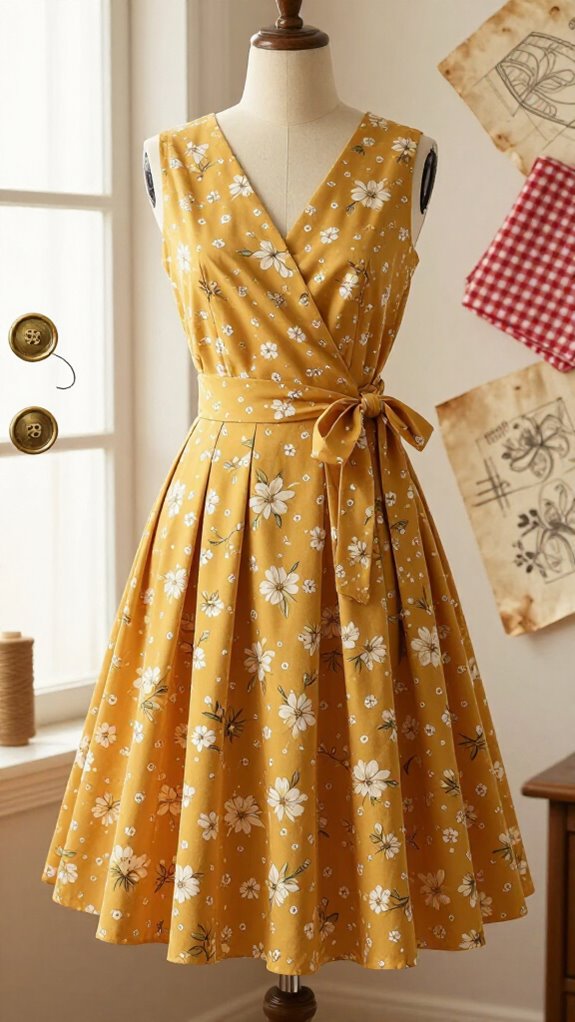
Nothing says vintage charm quite like a retro wrap skirt, which swishes around your knees and lets you adjust the waist for a comfy, custom fit—how handy is that?
You’ll feel right at home with fellow vintage makers! Check ties, buttons, or hooks, then follow grainlines, notches, and waist marks.
| Detail | Picture it | Your move |
|---|---|---|
| Closure | Neat waist tie | Test it |
| Hem | Soft calf sweep | Choose length |
| Overlap | Secure front panel | Make muslin |
Use cheap fabric for Pattern sizing tweaks, adjusting waist and overlap first. Add interfacing at the closure and clean seams for beautiful Wrap skirt drape—no twisty, gaping surprises!
French-Inspired Linen Dress
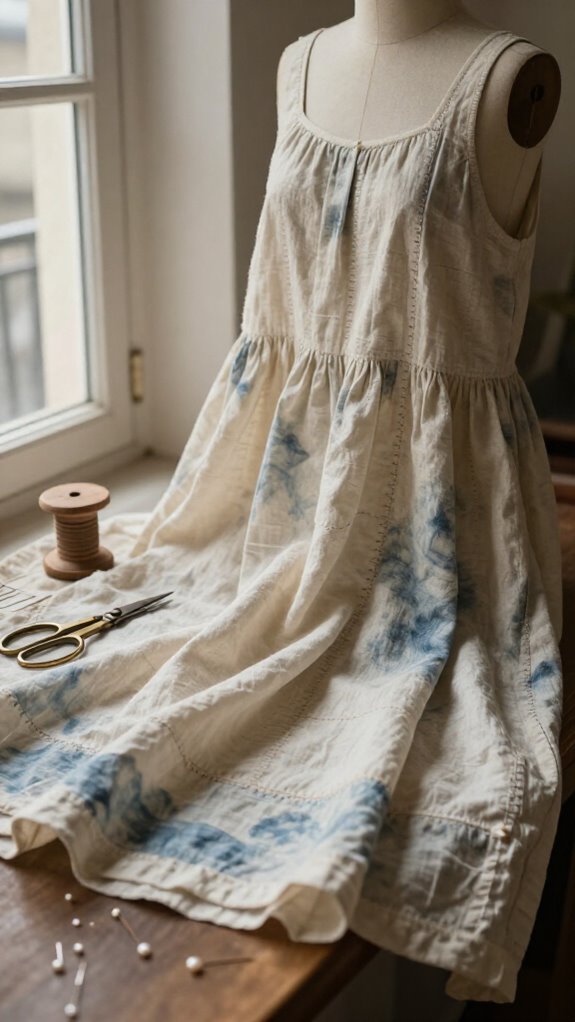
After the easy sway of a wrap skirt, a French-inspired linen dress brings a whole new kind of vintage magic—light, breezy, and made for sunny sidewalks and café-day dreams!
Choose a pattern shop treasure with classic waist shaping, then make a quick muslin; vintage sizes can be sneaky! You’ll feel right at home among fellow stitchers.
- Use breathable linen, pins, and tracing paper.
- Follow notches, darts, and vintage grainline tips exactly.
- Practice Linen seam finishing with clean French seams.
Copy fragile tissue onto sturdy paper, store originals in acid-free envelopes, and enjoy a dress that drapes beautifully. Your secret weapon? Careful grainline cutting makes the whole silhouette sing!
Vintage Handkerchief Skirt
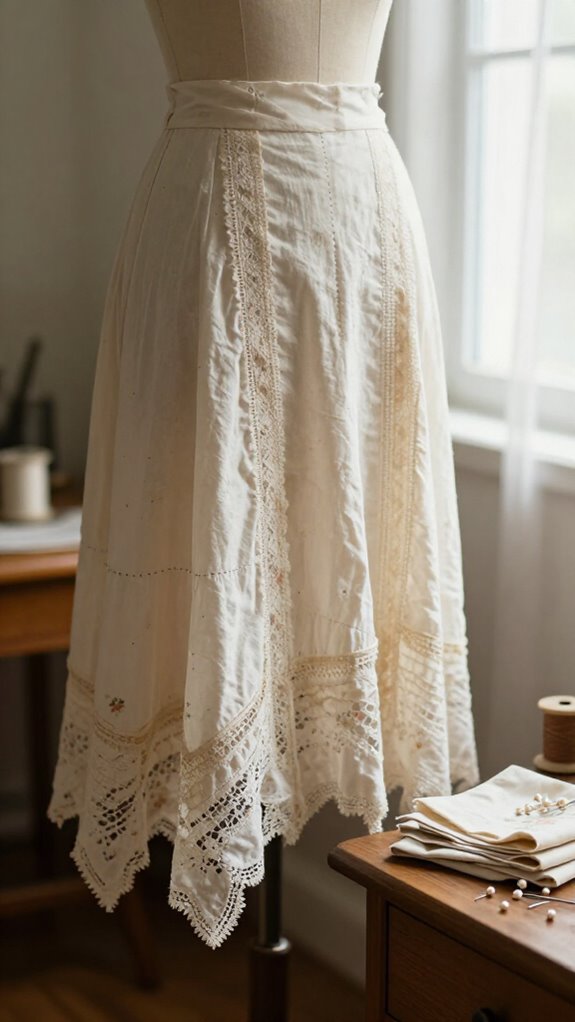
For a playful vintage twist, sew a handkerchief skirt with pointed, swishy panels that flutter as you walk—instant picnic-in-the-park energy!
Choose cotton or rayon, then study the old pattern’s notches and grainlines. Careful fabric grain matching helps every angled panel hang evenly, so you’ll look polished, not like a wonky windsock!
Make a quick muslin first, since vintage sizing can be sneaky. Stitch the panels, add hand-finished hems, and use hooks or snaps for an authentic touch.
For your vintage skirt styling, adjust the panel overlap or length. You’ll create a drape that feels uniquely yours while joining a joyful circle of makers who love wearable history.
Ruffled Cottage Blouse
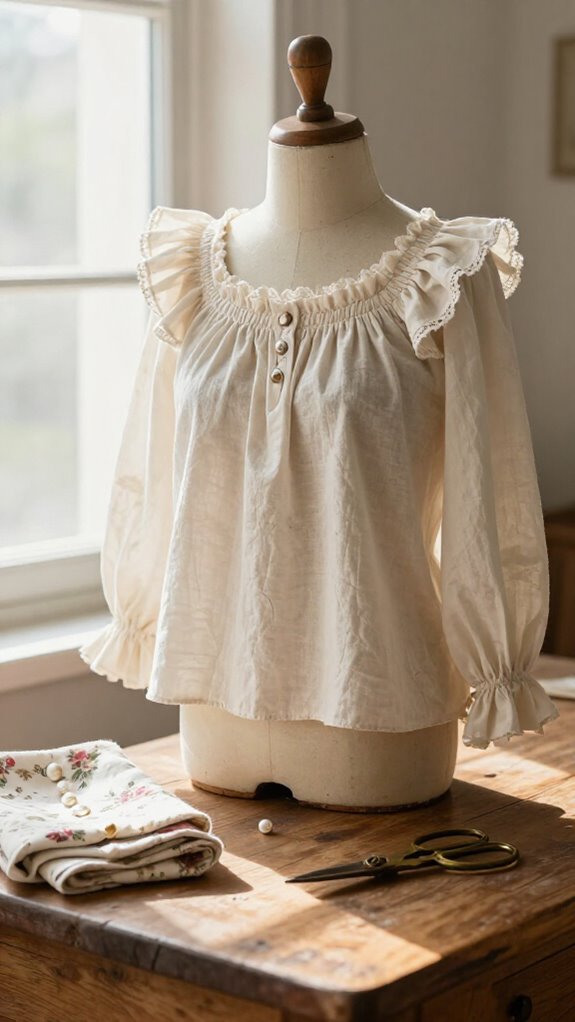
Why not bring a little storybook charm to your wardrobe with a ruffled cottage blouse? You’ll feel right at home in its soft neckline gathers and fluttery cuffs—sweet, not costume-y!
- Choose cotton or lawn; these light woven fabrics give ruffles airy drape.
- Make a quick muslin first, since vintage sizing can be delightfully unpredictable.
- Match notches and follow the fabric grainline carefully during ruffle construction.
Finish raw edges with trim or small hand stitches, as many older instructions suggest. It takes a little patience, but you’ll create a neat, durable blouse that looks lovingly made.
Best of all, it’s an easy way to join the vintage-sewing crowd—ruffles included!
Classic Shift Dress
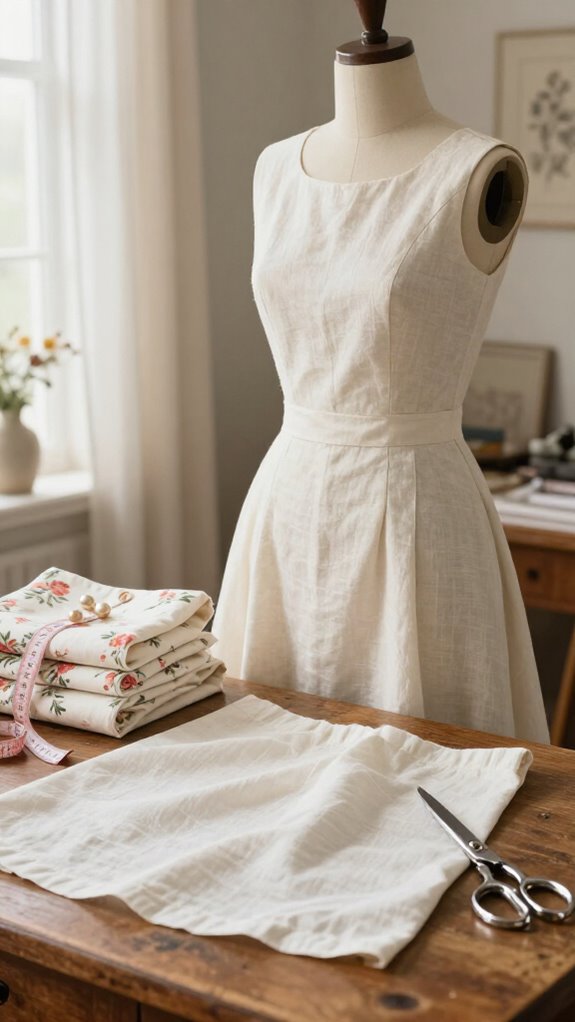
A classic shift dress makes vintage sewing feel wonderfully simple: its straight, easy shape slips on with little fuss, yet it can look polished enough for brunch, work, or a night out—hello, 1960s cool!
You’ll fit right in with bold floral cotton or a solid crepe. Start Fabric yardage planning before shopping, then check vintage notches, darts, and grainlines carefully.
Measure yourself, because vintage sizing can be a sneaky little gremlin! Make a cheap muslin first for bodice fit adjustments, using basic fabric and pins. Then try updated sleeves or a fresh neckline finish. You’ll keep that iconic mod silhouette while creating a dress that feels completely yours.
High-Neck Edwardian-Inspired Top
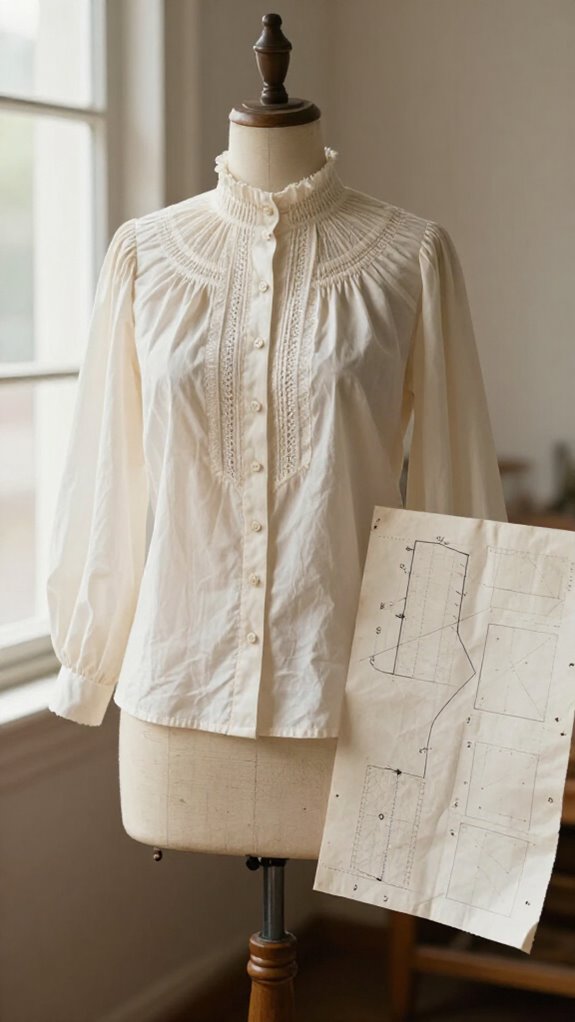
Channel Edwardian elegance with a high-neck top, and you’ll get that graceful 1900s silhouette without looking like you’re headed to a costume party—unless that’s the plan, of course!
You’ll feel right at home among fellow vintage lovers when you check every marking before sewing.
- Make a quick muslin; test collar height and comfort.
- Match grainlines carefully, so the collar won’t twist.
- Use precise Neckline finishing and collar stays for crisp structure.
Choose cotton, lace trim, or decorative buttons—budget-friendly details with big charm!
Tailor the fit to your modern wardrobe, then wear it with jeans or trousers.
The surprise? A sturdy high collar makes even a simple outfit feel wonderfully put together!
Vintage Gathered Skirt
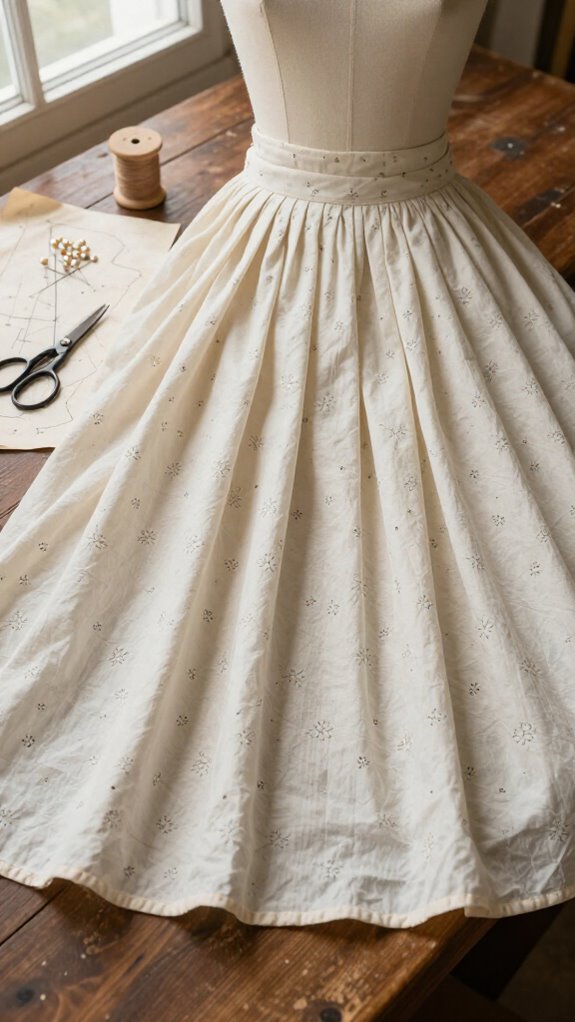
With its swishy folds and waist-defining shape, a vintage gathered skirt brings instant 1940s–1950s charm to your closet—no time machine required! You’ll feel right at home in this friendly sewing classic!
Choose medium-weight cotton or a rayon blend, then check your waist against the pattern’s older sizing. Make a quick muslin first; it’s cheaper than learning a dramatic fabric lesson!
Next, follow grainlines and try vintage notch matching before you stitch. Even placement keeps every fold smooth and balanced.
For Waistband gathering, pull your basting threads until the skirt reaches the target width, then attach it to a snug waistband. Pair it with a tailored top, and voilà: you’ve made a polished, community-approved silhouette!
Retro Picnic Dress
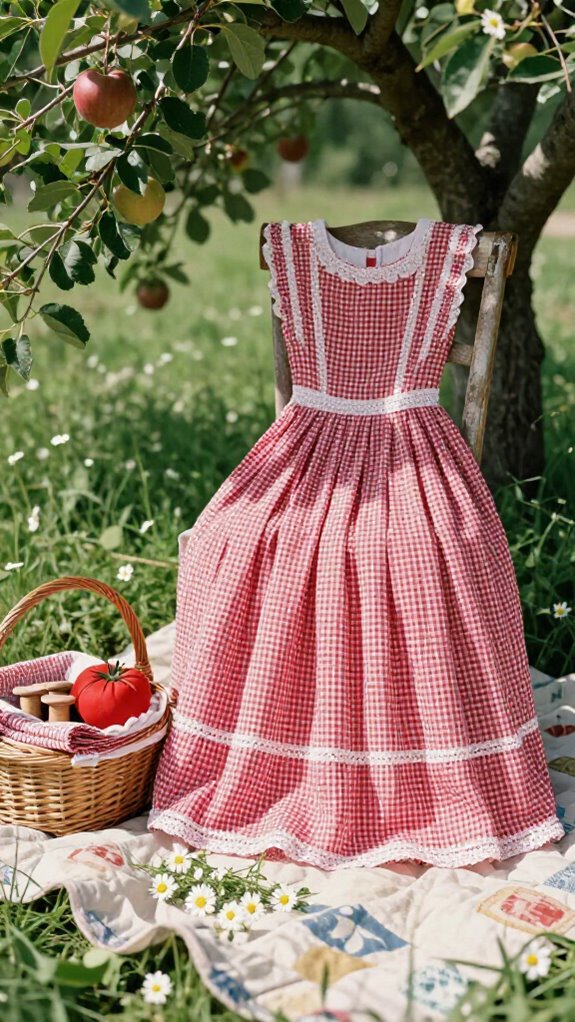
Sunshine, gingham, and a swishy skirt—your retro picnic dress can make even a sandwich at the park feel glamorous! You’ll fit right in with fellow vintage lovers while enjoying a cinched waist and full 1940s–1950s skirt.
- Start Fabric yardage planning by checking the pattern layout, then buy a little extra for matching bold prints.
- Use Vintage sizing tips: measure yourself, not the envelope, and sew a cheap muslin first.
- Follow notches, darts, and grainlines carefully for an easy, polished shape.
For a 1960s feel, try an A-line version that moves freely outdoors. Finish with hand stitching and snaps or hooks—tiny details, huge vintage charm!
Classic Shirtwaist Dress
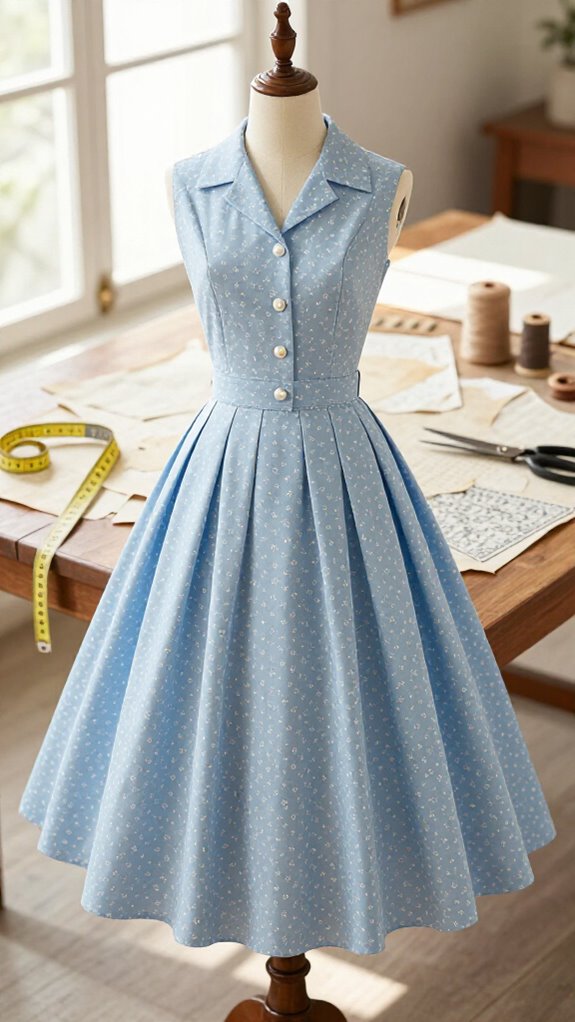
Ready for a vintage look that feels polished enough for lunch downtown but practical enough for real life? You’ll fit right in with a classic shirtwaist dress! Its collared, button-front bodice and defined waist create clean, flattering lines.
Start with Fabric selection tips: choose crisp cotton, rayon, or lightweight chambray. Trace every notch and grainline carefully so the collar, sleeves, and waist meet neatly—no rogue seams allowed!
Before cutting your good fabric, follow fitting muslin steps: sew a quick mock-up, check the bodice and waist, then adjust. Finish darts, tailored sleeve heads, and vintage-style snaps or hooks for a surprisingly authentic, sharp result.
Cottagecore Midi Dress
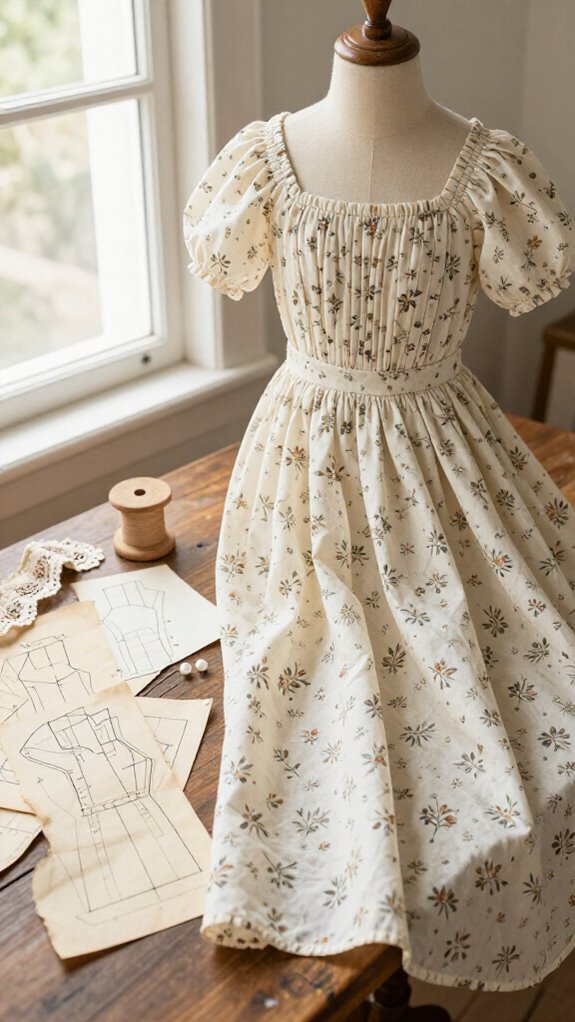
A cottagecore midi dress lets you bring a little countryside romance into everyday life—no actual cottage or flock of sheep required! You’ll feel right at home in a gathered skirt and cinched waist.
- Choose Vintage fabric choices like cotton florals or soft gingham.
- Decode grainlines, notches, and darts, then sew a muslin for sizing.
- Try waist shaping techniques, period perfect closures, and finishing handstitching.
A simple pattern, scissors, thread, and a few patient evenings are enough to begin.
Keep the hem below your knees for that 1940s–1970s charm.
Best of all, hooks or snaps add an authentic surprise, making your handmade dress feel like it belongs in a friendly village gathering.
Vintage Inspired Lounge Set
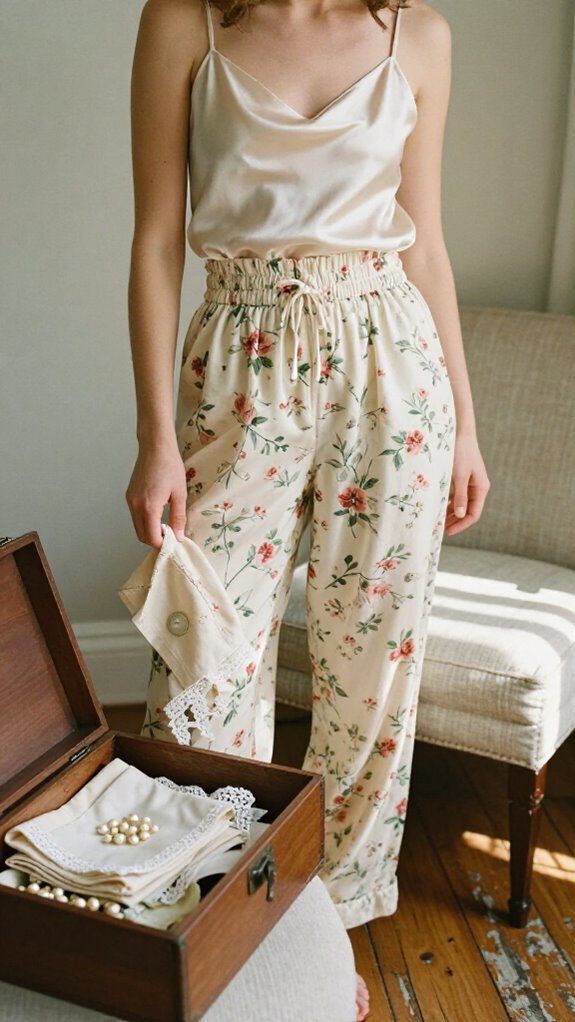
Once you’ve sewn a sweet cottagecore dress, a vintage-inspired lounge set gives you something just as charming for slower days at home!
Choose a 1940s–1960s pattern with a matching top and pants or skirt, plus a cinched waist and relaxed legs.
You’ll look polished, even while hunting for snacks!
Start with affordable cotton, rayon, or a thrifted sheet, then study grainlines and notches before cutting.
Make a quick muslin to check fit, and practice Fabric draping so the pieces fall softly.
Simple snaps or hooks finish the look.
Best of all, sustainable sewing turns leftover fabric into a coordinated set that feels uniquely yours, not cookie-cutter.
Retro Summer Robe
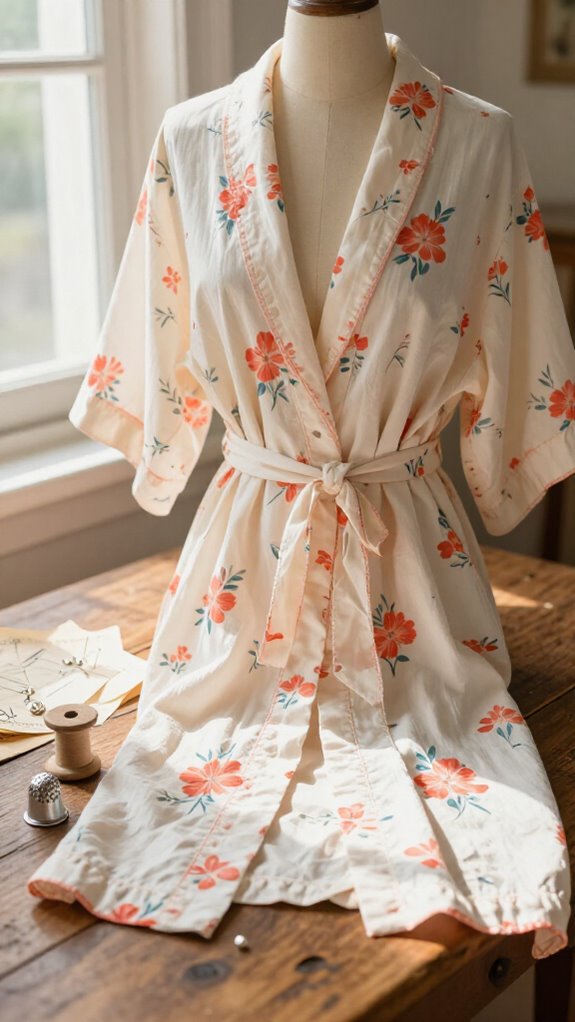
For breezy mornings and warm evenings, a retro summer robe adds instant old-school charm without making your sewing room feel like a costume shop—hooray!
You’ll love its light, graceful shape, especially with a defined waist and tie belt.
- Choose cotton voile or rayon for summer friendly construction.
- Check Vintage robe sizing against your measurements, then sew a quick muslin.
- Follow grainlines carefully; use ties, snaps, or hooks for authentic closure.
Keep delicate tissue safe by tracing pieces onto sturdy paper.
You’ll join a lovely circle of makers who create everyday elegance, and your finished robe may become your favorite porch-coffee layer—fancy, comfy, and wonderfully yours!
Traditional Smock Top
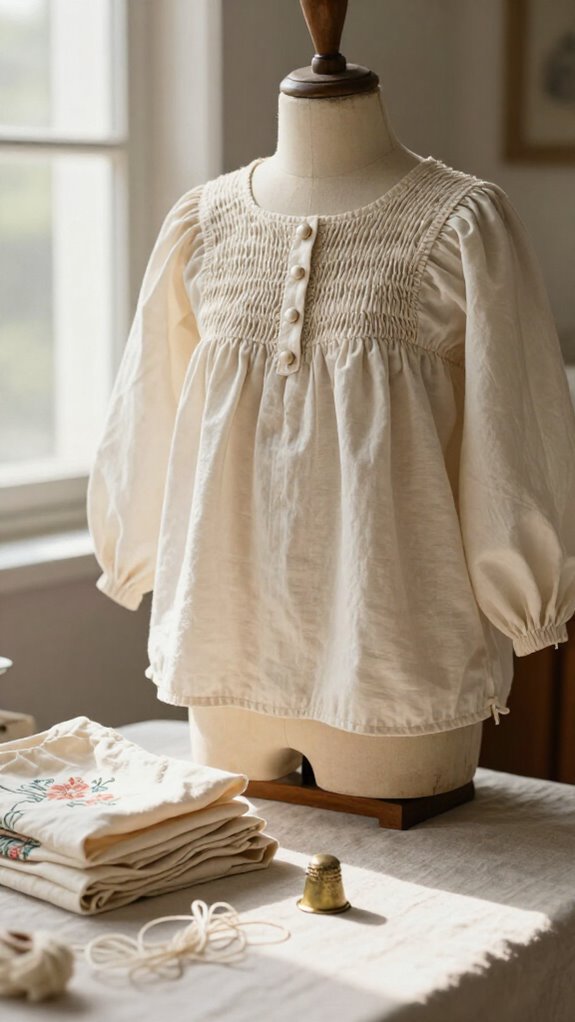
Step out of that breezy robe and into a traditional smock top, a sweet vintage blouse that feels polished but still lets you breathe—yes, please!
You’ll love how gathered or elasticated stitching creates a close, flattering fit without pinching. Choose cotton lawn or voile for lovely Fabric drape, texture, and all-day comfort.
Before you cut, sew a quick muslin; vintage sizing can be sneaky! Match notches, grainlines, and symbol guides carefully so your smocking sits smooth across the bodice.
Then use neat finishing techniques and a period-style closure for a top that looks truly special. You’ll feel like part of a stylish sewing circle—no secret handshake required!
Heritage-Inspired Kitchen Apron
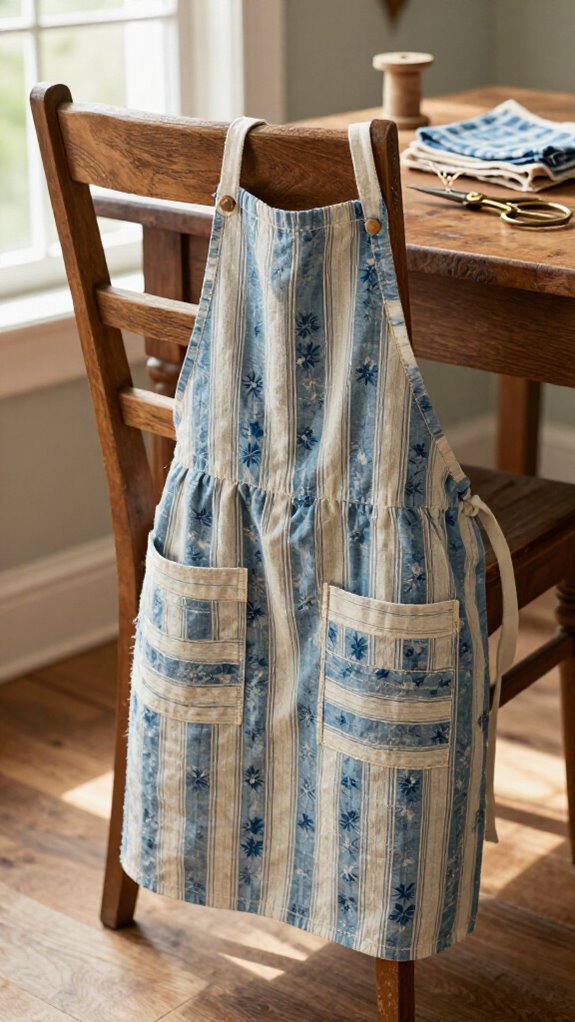
A heritage-inspired kitchen apron brings old-fashioned charm right into your daily routine, whether you’re baking a pie or just trying to keep tomato sauce off your favorite shirt—very important work!
Choose Historic fabric choices, like gingham or sturdy cotton, then check notches and grainlines so every panel hangs beautifully.
- Measure yourself for apron fit adjustments; make a quick muslin first.
- Try traditional seam finishes and hooks or snaps for authentic flair.
- Practice care and storage: keep tissue patterns in acid-free sleeves, away from sun and moisture.
You’ll create a useful piece that feels like part of your family’s kitchen story—plus, those hand-finished details will impress everyone!